7 Mistakes People Make When Designing Custom Kitchen Cabinets
Designing custom kitchen cabinets is exciting because it gives you the chance to create something that fits your home and your lifestyle far better than stock options ever could. At the same time, that freedom can lead to choices that look good on paper but do not work as well in everyday life. Homeowners planning custom cabinets in Doylestown, PA often focus first on finishes, door styles, and colors, but the success of the project usually depends just as much on layout, storage planning, and practical details.
The best custom cabinetry does more than fill a wall or match a design trend. It should make your kitchen easier to use, easier to maintain, and more enjoyable to live in over time. That is why it helps to understand the most common design mistakes before the project begins. A little more planning up front can make a major difference in how the finished space looks and functions.
What not to do when designing custom cabinets?
When designing custom cabinets, the biggest mistakes usually happen when appearance gets all the attention and function gets pushed aside. A kitchen can be beautiful and still feel frustrating to use if the details are not planned carefully.
1. Prioritizing looks over daily function
This is one of the most common mistakes. It is easy to get excited about a certain style or finish, but if the cabinetry does not support how you cook, store items, and move through the kitchen, the design can fall short quickly. A well-designed kitchen should feel just as good to use as it does to look at.
2. Not planning storage around real habits
Many people think about storage in general terms instead of considering how they actually use their kitchen every day. That can lead to cupboards that look clean and symmetrical but do not make life easier. Custom cabinetry should reflect real needs, from cookware and pantry storage to small appliances, serving pieces, and specialty items.
3. Ignoring workflow in the kitchen
Placement affects how efficiently the kitchen works. If prep areas, storage zones, and appliance locations do not support a natural flow, the room can feel awkward even if everything is beautifully built. Good design should help cooking, cleaning, and everyday movement feel smoother.
4. Choosing trends without thinking long-term
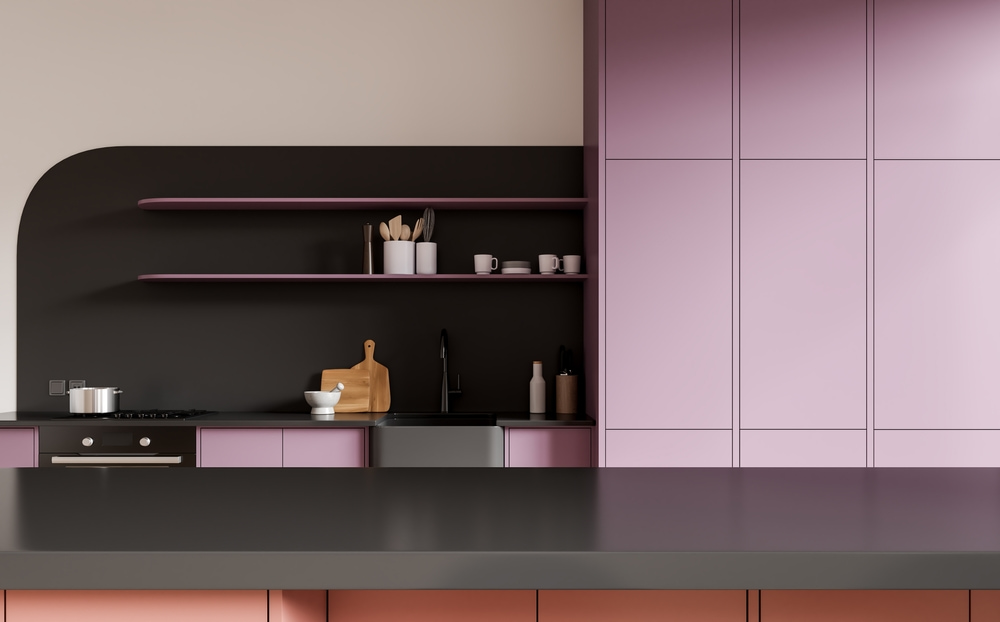
Some design trends look striking at first but lose appeal more quickly than homeowners expect. Colors, finishes, or decorative details that feel too specific to one moment may not age as gracefully as more balanced choices. That does not mean you need to avoid personality. It simply means the design should still feel comfortable to live with years from now.
5. Overlooking interior features
A lot of attention goes to door style and finish, but the inside matters too. Pull-out storage, drawer organization, tray dividers, and specialized inserts can make a major difference in how useful the cabinetry feels. Skipping those details can leave the kitchen looking custom on the outside while still functioning like a less-thoughtful design on the inside.
6. Not thinking enough about scale and proportion
Cabinetry should suit the size and architecture of the room. If upper cupboards feel too heavy, islands feel oversized, or details are too ornate for the space, the kitchen can lose visual balance. Good custom design should feel intentional and well-proportioned, not crowded or out of place.
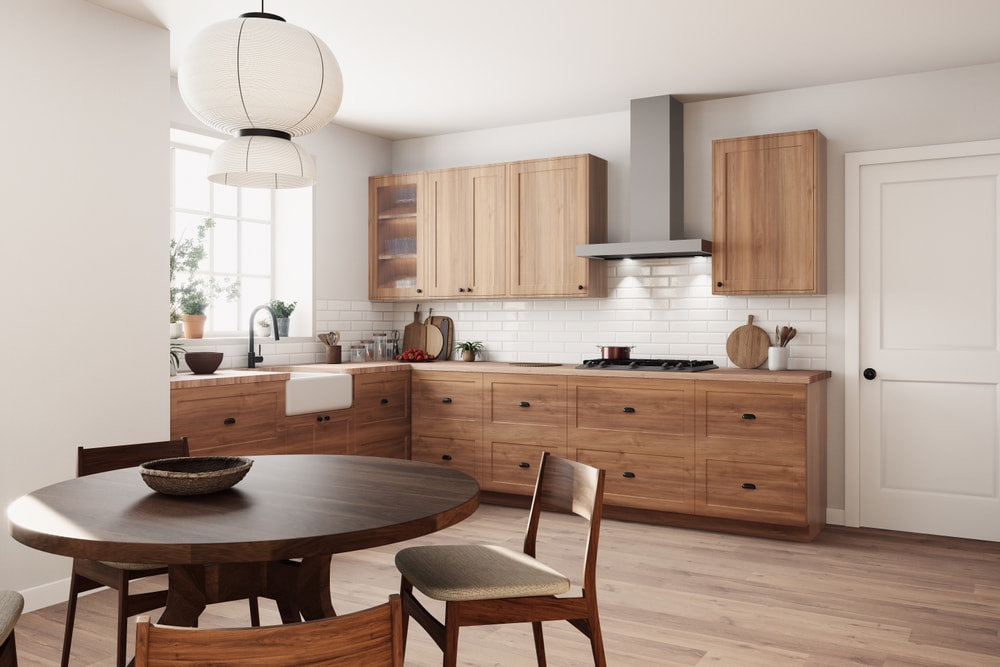
7. Rushing the planning stage
This isn’t the kind of project that benefits from rushed decisions. Layout, materials, finishes, hardware, storage details, and installation all need to work together. When planning moves too quickly, important details are easier to miss. Taking time early in the process usually leads to a better result and fewer regrets later.
What ties these mistakes together is a lack of alignment between design and daily life. The strongest custom projects are the ones that reflect how the homeowner actually lives in the space, not just how they want the kitchen to photograph. A thoughtful design should support beauty, usability, and longevity all at once.
That is also why guidance matters. Homeowners often know what they like, but a skilled maker helps translate those preferences into decisions that work in practical terms. From storage planning to finish selection, experience helps prevent small missteps from turning into lasting frustrations.
Who can help with premium custom cabinets in Doylestown, PA and nearby areas?
The right partner does more than build beautiful cabinets. They help you avoid design choices that can limit function, date the space too quickly, or make daily use less enjoyable. At Kitchens by Charles Weiler, we work closely with homeowners to create cabinetry that feels intentional from every angle, from layout and storage to finishes and final installation.
Whether your home is near The Michener Art Museum or elsewhere in Doylestown or nearby communities, our team is ready to help you create a kitchen that feels timeless, practical, and tailored to the way you live.